
How Much Does It Cost to Install Custom Garage Cabinets?
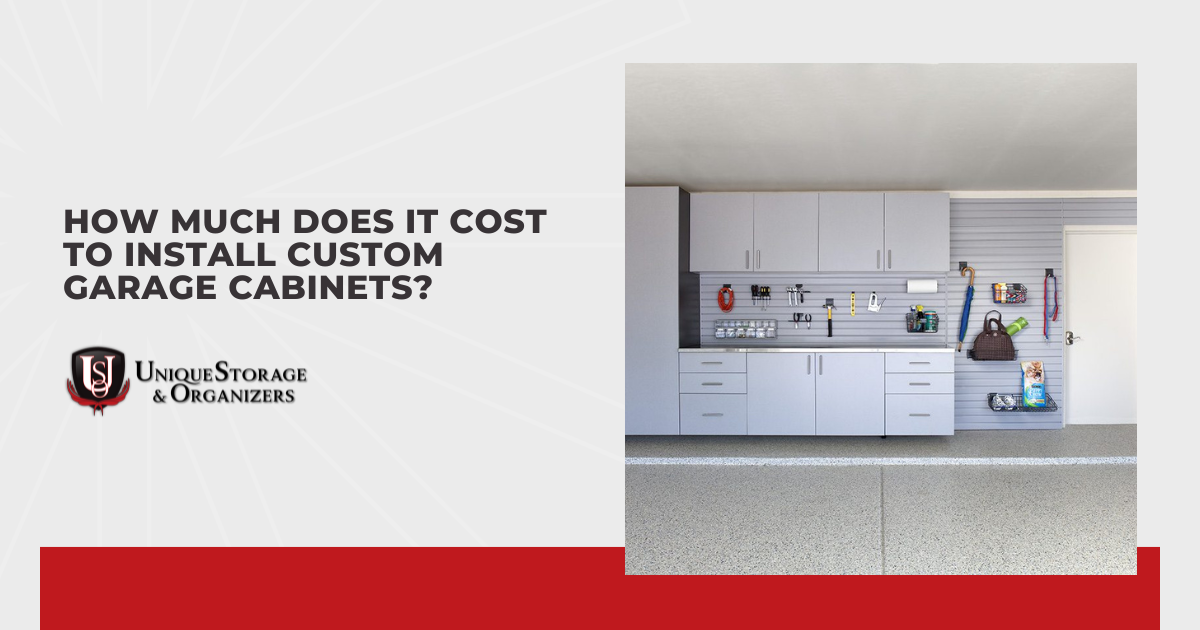
Garage cabinets are one of the most effective ways to bring order and function into your space, but the question I hear most often is simple: How much does it cost to install garage cabinets? The answer isn’t always straightforward because several factors shape both the cabinet price and the installation cost. If you’re planning a project, it helps to understand what really drives that total before making decisions.
Your overall investment will depend on details like garage size, material choices, layout, and how customized your setup is. Even cabinets that look similar can come with very different installation costs once those elements come into play. With a clear grasp of these variables, you’ll be better prepared to plan your layout and stay on track with your budget.
Here are the key factors that influence the cost of installing garage cabinets:
- General cost range awareness
- Garage size and linear footage
- Cabinet materials
- Level of customization
- Design complexity
- Features and add-ons
- Installation requirements
- Hidden or additional costs
- Budget planning choices
- Quotes and provider differences
If you’re trying to make sense of what affects the final price, these are the main areas to pay attention to. Let’s look at each one so you can see how they shape the overall cost of installing garage cabinets.
General Cost Range Awareness
Before getting into the details, it’s useful to remember that the cost of installing garage cabinets can vary quite a bit. A simple setup usually calls for fewer materials, fewer features, and less labor than a more customized design. Two projects can begin with a similar goal and still land in very different price ranges. That difference often comes down to scope.
The overall size and complexity of the project shape what you’ll spend. A basic storage wall is very different from a more built-out system with multiple cabinet types, upgraded features, and more involved installation work. Starting with that broader view gives you a better sense of what the project may require. Once that’s clear, the smaller cost decisions become easier to sort through.
Garage Size and Linear Footage
The size of your garage plays a major role in the total cost of cabinet installation. More wall space usually means more cabinets, which increases both material and labor expenses. Even small differences in dimensions can change how much storage fits comfortably in the layout. Accurate measurements give you a much stronger starting point.
Layout deserves just as much attention as square footage. A compact garage may need a more efficient design to make the most of the available space without making the area feel crowded. Poor planning can lead to wasted space or last-minute adjustments during installation. A clear layout early on often keeps the project more efficient and easier to manage.
Cabinet Materials
The materials you choose for your garage cabinets can have a major effect on your overall project cost. Some options are more economical, while others are made for heavier use and longer-lasting performance. Each material brings its own mix of durability, appearance, and maintenance needs. Those differences are worth weighing carefully before you decide.
Common materials used for garage cabinets include the following:
- Laminate: Laminate cabinets are usually one of the more affordable options. They offer a clean, finished look and work well for everyday storage needs.
- MDF (medium-density fiberboard): MDF has a smooth surface that works especially well for painted finishes. It can be a practical choice for appearance-focused designs, though it’s generally less resistant to moisture.
- Plywood: Plywood is valued for its strength and structural stability. It often costs more than laminate or MDF, but it’s a dependable option when durability matters.
- Metal: Metal cabinets are well suited for heavier-duty storage and frequent use. They also bring a more industrial look, which may appeal to you depending on the style you want.
I usually recommend choosing materials based on how you plan to use your garage day to day. If you’ll be storing heavier tools or equipment, durability starts to matter more than appearance alone. For lighter storage, you may have more flexibility with your material choice. The best fit often comes from balancing performance, style, and budget.
Level of Customization
The level of customization you choose will shape both the design and the cost of your garage cabinets. Standard cabinets come in fixed sizes, which makes pricing and planning more predictable. Custom garage cabinets are built around your exact space and storage needs. That added flexibility usually requires more planning, more labor, and more installation coordination.
More customization also gives you more control over how the space works. Cabinet sizes, layouts, and configurations can be tailored to match the way you actually use your garage. This option tends to make the most sense when the space has unique dimensions or more specific storage demands. If your needs are fairly simple, a standard setup may be enough.
Design Complexity
Design complexity often changes the installation cost faster than expected. A simple layout with a few cabinets is generally easier to plan and install. As more detailed elements are added, the project usually requires more measurements, more materials, and more labor. That added effort shows up in the final price.
More advanced layouts may include wall-to-wall systems, built-ins, or corner units. These features require careful planning so the entire setup fits and functions the way it should. Even minor layout changes can create extra work during installation. A cleaner design usually leaves less room for costly adjustments.
Features and Add-Ons
Features and add-ons can raise the total cost of your garage cabinets in noticeable ways. Basic cabinets already provide storage, but extra features can change how the space functions day to day. Every upgrade adds another layer to the project, whether through materials, hardware, or installation labor. For that reason, it makes sense to choose these additions carefully.
Common additions include drawers, pull-outs, soft-close hardware, and built-in lighting. Some of these upgrades improve organization, while others make the space easier and more comfortable to use. The value really depends on how you plan to use your garage on a regular basis. A focused feature list usually leads to a more practical result.
Installation Requirements
Installation requirements often carry more weight than expected when it comes to cost. The choice between handling the work yourself and hiring a professional affects both the budget and the overall process. Some cabinet installations are fairly straightforward, while others require very precise alignment and secure mounting. As complexity increases, labor usually follows.
The condition of your garage walls also matters. Uneven surfaces or structural issues may need to be addressed before the cabinets can be installed properly. Heavier cabinets require strong support, which adds another layer of difficulty. These details can shape the project timeline just as much as the cost.
Hidden or Additional Costs
Hidden or additional costs have a way of changing the budget once a project is underway. These expenses may not appear in the initial estimate, even though they still need to be accounted for. Delivery fees, removal of old storage, and basic prep work are some of the most common examples. They may seem minor on their own, but together they can make a noticeable difference.
I like to point these out early so the project feels more predictable from the start. Wall or floor preparation may be needed if the space isn’t ready for installation, and that can add both time and expense. Small repairs or adjustments can also come up, especially in older garages. A realistic budget usually leaves room for those possibilities.
Budget Planning Choices
The way you plan your project can shape the final cost just as much as the design itself. Not every decision has to be made all at once, and breaking the work into stages can ease budget pressure. Prioritizing the features you need first allows the project to move forward without taking on everything at once. That kind of flexibility can be useful if your needs evolve later.
One option is to combine custom cabinets with standard ones to balance function and cost. You can also install the most important features first and save additional upgrades for a later phase. This kind of planning keeps the project more manageable while still leaving room for long-term goals. In many cases, a phased approach simply makes the process easier to live with.
Quotes and Provider Differences
I often suggest getting quotes from different providers so you can better understand what your garage cabinet project might cost. Not all estimates include the same scope of work, which makes side-by-side comparisons less straightforward. Some may bundle materials and installation together, while others break them into separate line items. A closer review usually reveals more than the total alone.
Looking beyond the final number gives you a clearer view of overall value. The quality of materials, level of design detail, and workmanship can vary quite a bit between providers. A lower quote does not always reflect the same level of durability or finish. Clear questions usually lead to better comparisons.
Conclusion
The cost of a garage cabinet project becomes much clearer once you understand what factors are involved. There isn’t a single price that applies to every setup, which is why the details matter. Once you have a clear picture of your space, materials, and priorities, your decisions tend to feel more straightforward. With that clarity, you can move forward with a setup that fits both your needs and your budget.
